Dependable Transit Services for Your Business Demands
Trustworthy transportation services are crucial for businesses striving to meet operational needs. They play a critical role in securing timely deliveries and maintaining customer satisfaction. Companies must thoroughly assess their transportation demands and evaluate potential service providers. Understanding the various factors involved can lead to better decision-making. However, navigating the complexities of logistics requires thoughtful consideration of several key elements that can substantially impact overall efficiency and success.
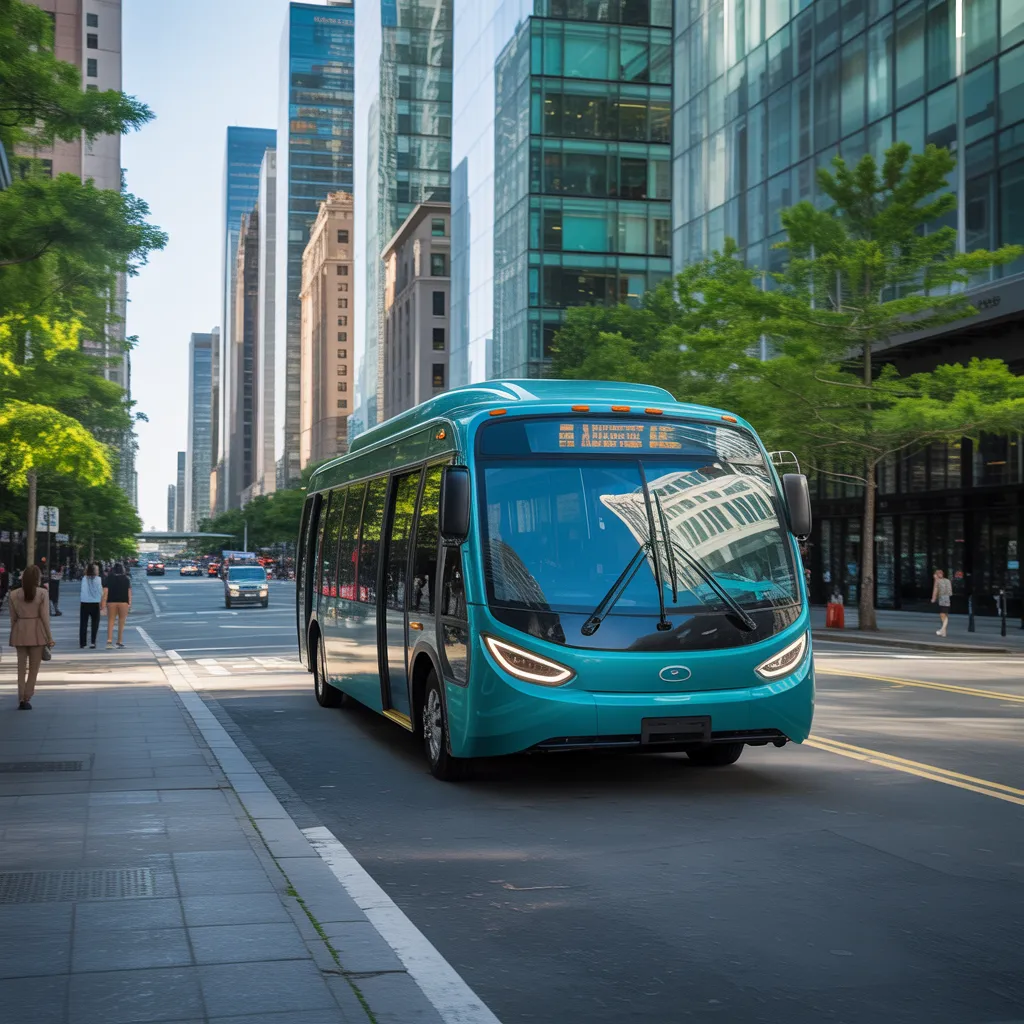
Comprehending Your Transit Demands
How can someone precisely assess their transportation requirements? Initially, an individual must identify the specific requirements of their company activities. This involves establishing the category of items or services being shipped, the regularity of transfers, and the geographical areas accessed. Understanding the weight and volume of items is critical, as it determines transportation options and space requirements.
Next, one should consider the urgency of deliveries. Certain companies might need same-day delivery, while alternative businesses might work with lengthier delivery windows. Furthermore, reviewing seasonal shifts in demand can give clarity on potential transportation issues.
Budgetary restrictions are an additional significant element; knowing how much can be devoted to transportation will inform decision-making. In conclusion, assessing the company's long-term growth plans can help in selecting a transportation solution that evolves with changing needs. Through careful analysis of these considerations, a clearer picture of transportation necessities emerges, permitting informed determinations.
Assessing Service Providers
When reviewing transportation service providers, it is crucial to prioritize reliability and efficiency to secure seamless operations. Businesses should begin by evaluating the provider's track record, focusing on customer reviews and testimonials that indicate their service quality. It is also crucial to evaluate the range of services offered, ensuring they fit specific business needs, such as freight capacity and route coverage.
Additionally, transparency in service terms and pricing of service is essential; businesses should seek providers who offer competitive and clear rates without hidden fees. Reviewing the technology used for tracking shipments can also strengthen operational visibility and accountability.
Finally, responsiveness and communication are key factors; a provider's commitment to resolve problems and respond to shifting demands can considerably determine total satisfaction. By carefully evaluating these standards, businesses can make educated selections when selecting transportation service providers that meet their operating needs.
Value of Timeliness and Dependability
Punctuality and dependability serve as essential foundations in the field of transportation services, as they directly impact customer satisfaction and operational efficiency. Businesses count on timely deliveries to fulfill scheduling requirements and maintain strong relationships with clients. Any delay can cause dissatisfaction, potentially damaging a company's reputation and bottom line.
Furthermore, consistent transportation guarantees that goods are delivered in top condition, which is vital for keeping inventory levels and minimizing losses. When a transportation service consistently fulfills its promises, it develops trust and loyalty among clients, commonly converting to repeat business and referrals.
Within an ever more competitive business environment, the capacity to deliver consistent services is not just an advantage; it is a necessity. Companies that emphasize timeliness and reliability are more strategically placed to accommodate market demands and manage unforeseen challenges, thereby achieving sustained growth and success in their operations.
Safety and Compliance Standards
Though safety and compliance standards may vary across geographical areas and industries, they stay fundamental to the integrity of transportation services. Firms that prioritize these standards safeguard the well-being of their personnel, clients, and cargo. Conformity to local and federal regulations, such as vehicle maintenance checks, driver training, and safety protocols, is crucial in reducing risks and liabilities.
Transportation companies often undergo audits to verify adherence to safety guidelines, which can include proper licensing and insurance. Moreover, the implementation of technology, including GPS tracking and live monitoring, enhances safety measures, allowing for efficient incident management.
Budgeting and Cost Considerations
When evaluating reliable transportation services, understanding the associated costs is essential for effective budget management. This involves identifying various transportation expenses and implementing strategic budget allocation practices. Plus, exploring cost-saving options can strengthen overall financial efficiency in transportation planning.
Pinpointing Shipping Fees
Understanding transportation costs is vital for effective budgeting, as multiple factors impact the overall expenses involved. Businesses must consider direct costs such as fuel, vehicle maintenance, and driver wages, as well as indirect costs including insurance and administrative fees. Furthermore, the type of transportation utilized—whether road, rail, air, or sea—can greatly affect pricing. Seasonal fluctuations and demand can also result in variations in costs, demanding a thorough analysis. Companies should consider potential hidden costs, such as delays or damages, which can affect the bottom line. By precisely identifying these expenses, businesses can create a more comprehensive financial plan that corresponds to their operational needs and strategic goals.
Budget Allocation Strategies
Effective budget allocation strategies are crucial for handling transportation costs effectively. Businesses should first analyze their specific transportation demands, assessing factors such as volume, frequency, and distance. This enables a clear understanding of fixed and variable costs associated with logistics. Establishing a prioritization framework helps allocate funds to essential transportation areas while limiting waste. Moreover, implementing a tracking system can monitor spending against the budget, identifying any discrepancies early. Businesses should also consider seasonal fluctuations in demand, adjusting budgets accordingly to promote flexibility. Regular reviews and adjustments of the budget support responsiveness to changes in business operations and market conditions. By implementing these strategies, companies can optimize their transportation budgets, fostering cost-effectiveness and operational reliability.
Money-Saving Opportunities
Identifying cost-reduction opportunities is essential for businesses seeking to enhance their transportation performance and overall budget management. Companies can secure substantial savings by assessing their established transportation contracts and pursuing competitive quotes from multiple providers. Adopting route optimization software can further lower fuel costs and enhance delivery times. Additionally, pooling shipments helps businesses to maximize load capacity, reducing transportation expenses. Using technology, such as GPS tracking, can improve logistics processes, lowering overhead. Businesses should also consider committing in fuel-efficient vehicles to reduce sustained operating costs. By prioritizing these strategies, organizations can effectively manage their transportation budgets while guaranteeing reliable service delivery, thereby encouraging growth and operational sustainability.
Technology & Tracking Systems
Within the realm of dependable transportation services, technology serves a crucial component in improving efficiency. Real-time location tracking enables companies to monitor shipments carefully, ensuring timely deliveries. Additionally, advanced route optimization tools help to reducing travel time and costs, eventually benefiting both service providers and customers.
Live Position Monitoring
With the ongoing evolution of technology, real-time location tracking has developed into an essential component of reliable transportation services. This technology provides businesses with the capacity to oversee their vehicles and shipments in real-time, providing transparency and accountability throughout the delivery process. By employing GPS and advanced tracking software, companies can access precise data on vehicle locations, permitting proactive decision-making and enhanced operational efficiency. Moreover, real-time tracking enhances communication between drivers and dispatchers, allowing timely updates and decreasing the risk of delays. This capability not only enhances customer satisfaction through accurate delivery estimates but also aids in the effective management of logistics. All in all, real-time location tracking plays a crucial role in optimizing transportation services for businesses.
Advanced Route Planning
Even though standard route planning techniques can be time-consuming and inefficient, advanced route optimization technology has transformed Private Car Service Orlando FL the way transportation services streamline their operations. Employing algorithms and real-time data, this technology empowers businesses to identify the most efficient routes, minimizing travel time and fuel consumption. By integrating factors such as traffic patterns, weather conditions, and delivery schedules, advanced solutions can dynamically adjust routes to accommodate changing circumstances. This not only boosts delivery efficiency but also elevates customer satisfaction by securing timely arrivals. Furthermore, tracking solutions merged with route optimization provide businesses with thorough visibility into their logistics operations, supporting better decision-making. In the end, advanced route optimization represents a substantial step forward in boosting the efficiency and reliability of transportation services.
Developing a Enduring Partnership
Creating a lasting partnership in transportation services calls for a mutual understanding of aims and expectations. Both parties have to engage in direct communication to define specific requirements, timelines, and performance metrics. This dialogue fosters trust and transparency, essential elements for any effective collaboration.
A dedication to service excellence is critical. Reliable carriers concentrate on timely deliveries and responsive customer service, ensuring that businesses can depend on them. Regular assessments of performance help identify elements needing advancement, reinforcing the partnership's strength.
Furthermore, flexibility is essential. As market requirements develop, both partners should be ready to adjust their methods and services to accommodate evolving needs. Implementing technology, such as tracking systems, can increase efficiency and accountability.
In the end, a long-term partnership in transportation services is founded on shared values, constant improvement, and a focus on achieving collective success. This foundation empowers businesses to flourish in a demanding environment.
Common Questions
What Kinds of Vehicles Are Generally Available Through Transportation Services?
Transport services usually feature a broad selection of vehicles, including trucks, vans, buses, and specialty vehicles for diverse load requirements. Each vehicle is built to suit specific transportation needs, ensuring secure and effective deliveries.
How Can I Ensure My Goods Are Insured During Transit?
To make certain goods are insured during transit, one should check the shipping company's insurance coverage, request additional cargo insurance if required, and document the value and condition of goods ahead of shipping.
Which Industries Profit Most From Reliable Transport Solutions?
Fields like retail, manufacturing, and logistics significantly profit from reliable transportation services. These sectors rely on prompt deliveries and streamlined supply chain management to maintain operations, fulfill customer demands, and improve overall productivity.
Can Transportation Services Accommodate Last-Minute Shipping Requests?
Yes, many transportation services can accommodate last-minute shipping requests, utilizing streamlined scheduling and priority options. Such services are designed to address urgent demands, ensuring that businesses can adapt quickly to changing logistics and customer needs.
How Do I Handle Issues With Damaged or Lost Shipments?
To address concerns with missing or damaged shipments, one should immediately contact the delivery service, log the incident with evidence, file a claim if necessary, and investigate compensation options while guaranteeing future protective steps are implemented.